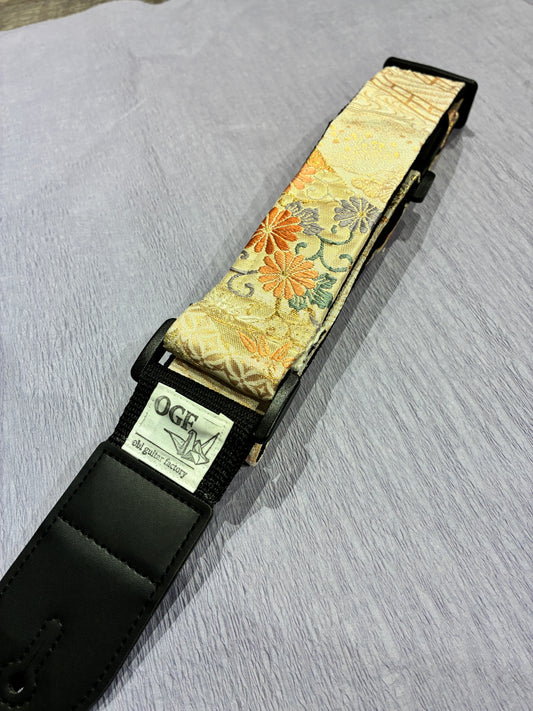
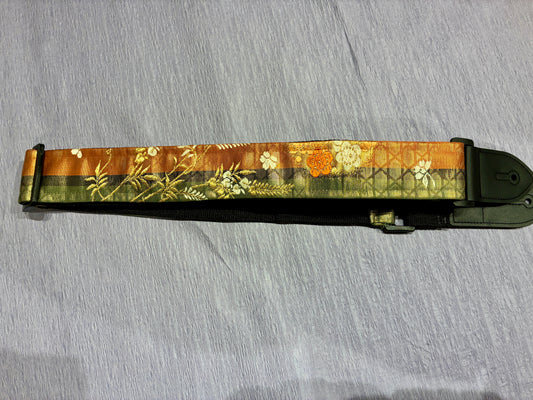
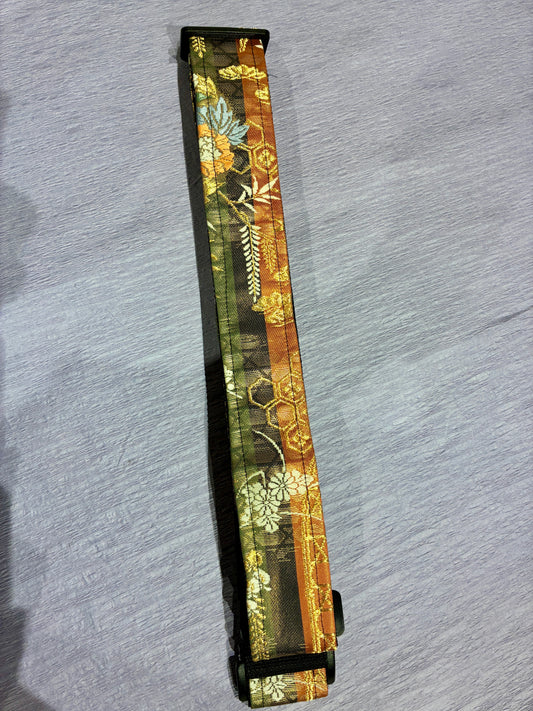
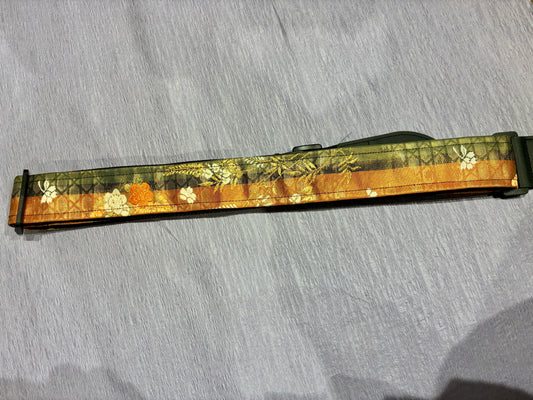
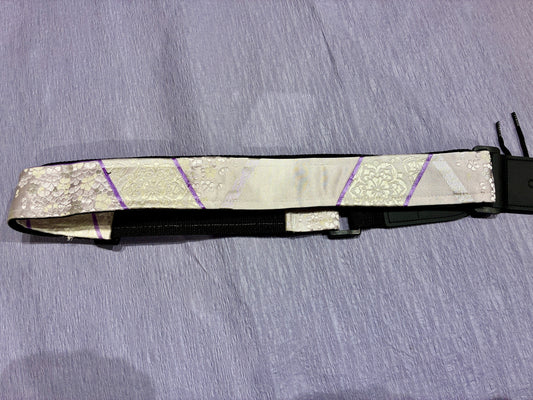
9 cm Wide Guitar Strap
A 9 cm wide guitar strap with cushioning, made to order at USD 100 per strap.
 Obi Guitar Factory
Kimono Obi Guitar Straps
Obi Guitar Factory
Kimono Obi Guitar StrapsVintage Kimono Obi · Hiroshima
Each strap is one-of-one. Once it ships from Hiroshima, that pattern is gone forever.
A 9 cm wide guitar strap with cushioning, made to order at USD 100 per strap.


Read The Full Story →He brings the story to the world. She gives each strap its second life.
One-of-a-kind guitar straps handcrafted from reclaimed Japanese kimono obi fabric.

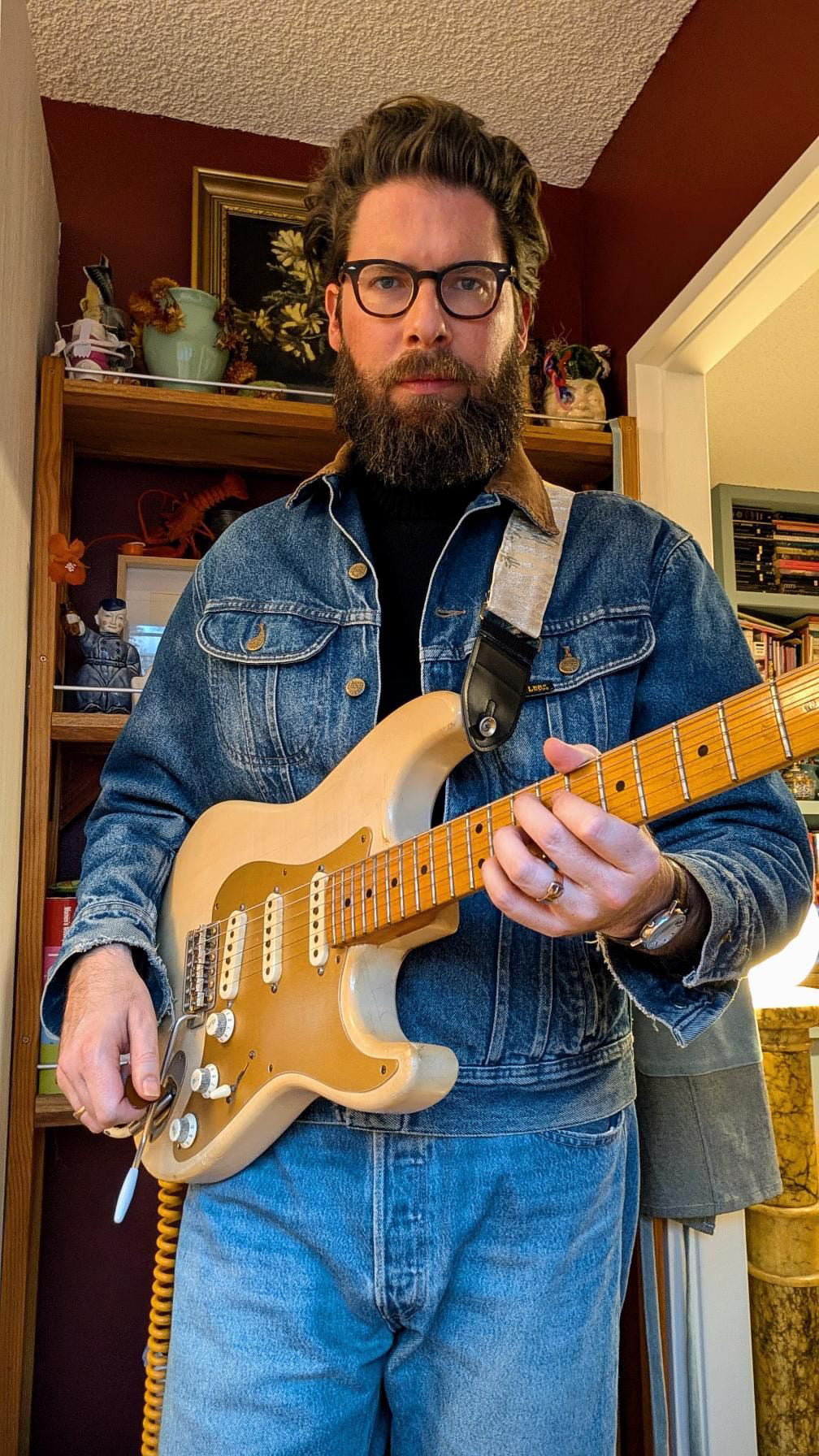

Different guitars. Same unmistakable presence.
PLAYER STORY 001 · AUSTRALIA
For Zane, a strap is part of the outfit—not an afterthought. He pairs his white-and-silver Obi strap with tailored layers, denim and corduroy, and with everything from S-style guitars to a classic single-cut.
“A strap can be like a tie or a cravat.”
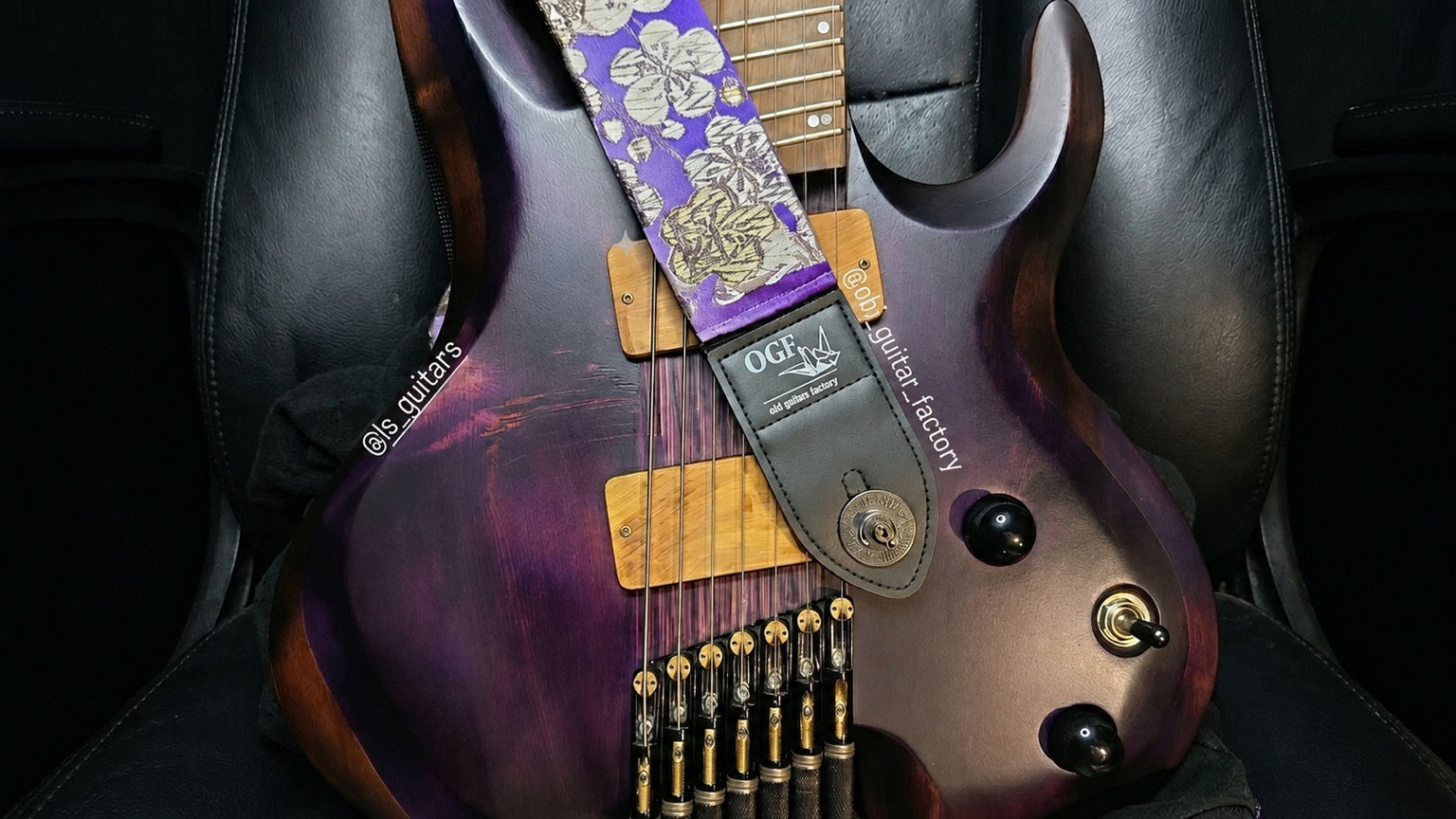


Technique in service of emotion.
OBI GUITAR FACTORY ENDORSER · CHILE
YitanPro is a Chilean guitarist and creator blending progressive rock, metal, math rock, and Japanese city pop through melody, technique, and emotion.



Blues in the hands. Hip-hop in the pulse.
PLAYER STORY 003 · SPAIN
D. LATORRE blends modern blues rock with hip-hop-inspired rhythm, attitude and groove, carrying the visual world of One Of The Ronin into the way he plays.
“The connection with Hiroshima makes it feel like much more than just a guitar strap.”
One-of-a-kind straps that have already found their new homes with guitarists around the world.


One-of-a-Kind — Now in United Kingdom
View Archive →
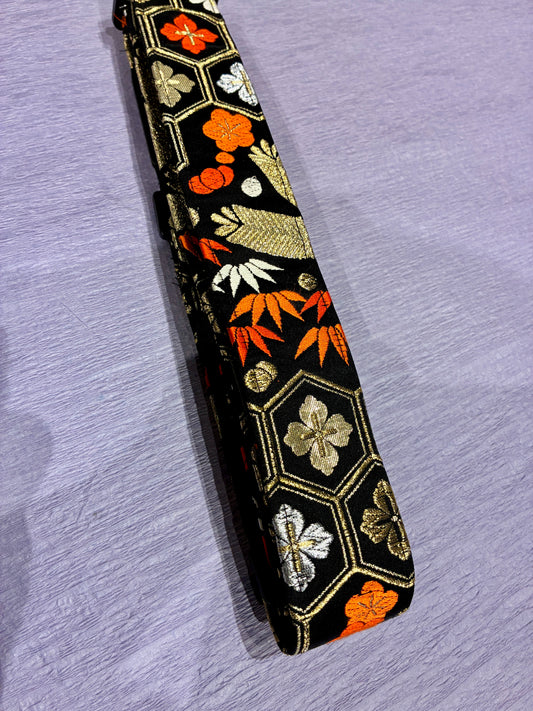
One-of-a-Kind — Already Placed
View Archive →
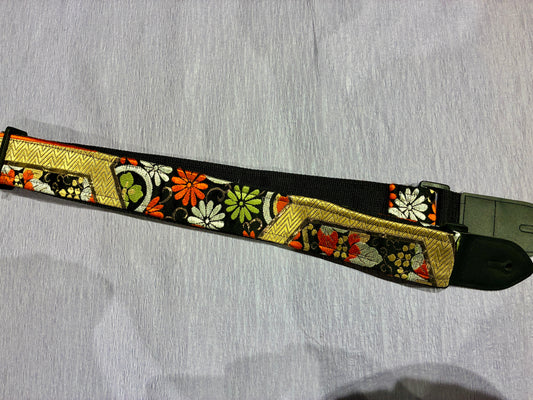
One-of-a-Kind — Already Placed
View Archive →

One-of-a-Kind — Now in Colombia
View Archive →

One-of-a-Kind — Now in Australia
View Archive →
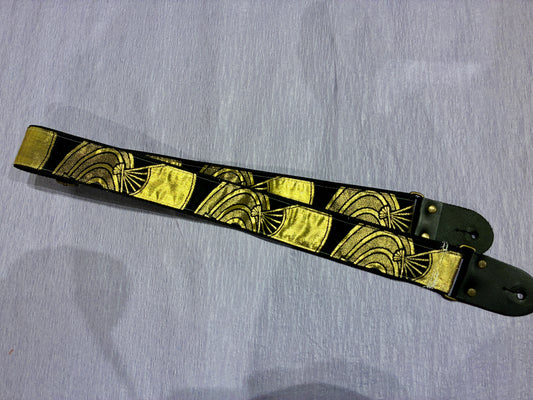
One-of-a-Kind — Already Placed
View Archive →
Obi Guitar Factory
Your guitar deserves a story.

For centuries, obi have carried the visual language of Japanese dress: seasonal motifs, formal textures, and woven symbols chosen with care.
Most vintage obi we source arrive without a complete personal history. That mystery is part of their presence. We study the motif, the weave, and the patina, then rebuild the textile for a new life on stage.
Now, the next chapter belongs to the guitar that wears it.

We hunt vintage obi from kimono shops and estate sales across Japan.

Each obi is carefully cut and crafted onto a durable nylon backing in our Hiroshima studio.

One-of-a-kind. Once it's gone, it's gone. Free standard worldwide shipping from Hiroshima, Japan.

Stage presence is everything. The obi fabric catches the light in a way no leather strap ever could. One of a kind — that's the only way I'd have it.
The straps are beautifully handmade with incredible attention to detail. Both the products and the personal care behind them are exceptional.
The guitar strap just arrived. It is truly beautiful! Highly recommended.


Be the first to see new drops. One-of-a-kind straps sell out fast.
No spam. Just early access to new straps and studio updates from Hiroshima.